|
Keynote
speakers
Confirmed
Keynote Speakers
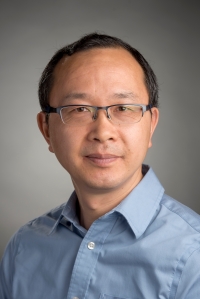 |
Professor
Gary Wang
School
of Mechatronic Systems Engineering
Simon Fraser University, Canada
Academic
Profile:
Dr. Gary Wang is a professor at Simon Fraser University. Dr.
Wang’s research interests have been in the area of design and
advanced manufacturing. He has more than 200 referred
articles with a large number of papers published in field top
journals. He is the most cited scholar worldwide in the area of
Intelligent Optimization, and his research lab is recognized one
of the world top labs in the field of design optimization. In
2020 Mendeley study, he was ranked No. 15 of the top 2% scholar
worldwide in the large field of Design Practice and Management
across all disciplines. Dr. Wang is the recipient of the 2014
SFU Excellence in Teaching Award, 2015 FAS Award of Excellence
for Teaching, the 2007 Rh Award from University of Manitoba for
outstanding research contribution, as well as the 2005 National
I. W. Smith award for creative engineering from the Canadian
Society of Mechanical Engineering (CSME). Dr. Wang has been
serving as an associate editor for Journal of Engineering
Optimization since 2010, geographically representing North
America. He also served as an associate editor for the best
journal in the field of mechanical design, ASME Transactions,
Journal of Mechanical Design in the period of 2013-2019. He is
recognized as one of the world leaders in his area and was
elected to the rank of ASME Fellow in 2013.
Keynote
Lecture
Title: AI-driven
Design Optimization and Its Applications
Abstract:
Optimization as a systematic search methodology has gone through
a number of decades of development. Its application in
engineering, however, has been limited. This talk will review
the development of four generations of optimization technologies
from the perspectives of its application in engineering. The
focus will be the 4th generation AI-driven optimization
strategies. The concept of AI-driven optimization and its
various applications in engineering will be introduced.
AI-driven optimization methods have overcome shortcomings of
traditional optimization approaches and are ready to be widely
adopted in engineering practice. They are amenable for
simulation-based engineering, easy to use, and powerful in
solving both global optimization and multiobjective optimization
problems.
|
 |
Professor
Po Wen Cheng
Stuttgart
Wind Energy (SWE) at Institute of Aircraft Design
University
of Stuttgart, Germany
Academic
Profile:
Dr. Po Wen
Cheng studied aerospace and aeronautic engineering at TU Berlin
where he encountered wind energy for the first time. He
continued his education at TU Delft and completed a PhD on
offshore wind energy, focusing on stochastic modeling of the
extreme response. He joined GE Wind after graduating from TU
Delft and worked on offshore wind and new technology
developments for 9 years. In 2011 he had been appointed to the
wind energy chair at the institute of aircraft design, the
University of Stuttgart.
The main
research area in the wind energy working group are,
-
Application
of measurement technology for wind energy. SWE has been an
early adopter of the lidar technology. The focus is the use
of lidar for control of wind turbines, wind farm control,
wind resource assessment. SWE has several lidar systems for
different applications, nacelle mounted lidar for power
curve and control application. Long-range scanning lidar
system for wind farm flow measurement and short-term power
forecasting. For high-resolution measurement of the
turbulence, SWE has developed multi-UAS
(Unmanned Air System) to measure the inflow and wake of wind
turbines.
-
Modeling
and control of wind turbine and wind farms. SWE has been
developing modeling techniques that deals with the different
fidelity and scale requirements for wind energy
applications. Low order models have been developed for
controller design and monitoring purpose, medium fidelity
models are for load analysis and system design and high
fidelity model for investigating specific aerodynamic and
hydrodynamic phenomena that cannot be captured with
simplified models. The modeling includes single wind
turbine, both bottom fixed offshore and floating as well as
modeling of a complete wind farm.
Keynote
Lecture
Title: How
numerical simulations helps the wind turbine growth from 50 kW
to 15 MW
Abstract:
In this
talk we will travel through the history of numerical simulation
and its role in the wind turbine design. Building the largest
rotating machine that the humans have ever seen is a daunting
task for the engineers. This achievement was only possible with
the better understanding of how flexible structures like wind
turbines respond to stochastic wind loads. Understanding the
stochastic nature of the wind was crucial to simulate the effect
of the wind on wind turbines. Simulation techniques were used to
study aerodynamic and aeroelastic phenomena that have
significant impact on the structural loads. Better understanding
of wind turbine response leads to advance control and rotor
design that steadily increases the turbine size over the time.
We will look into the future challenges on the simulation
technology in wind energy. The focus is shifting from
components, single wind turbine to wind farms and cluster of
wind farms as the complexity of the wind power system increases.
|
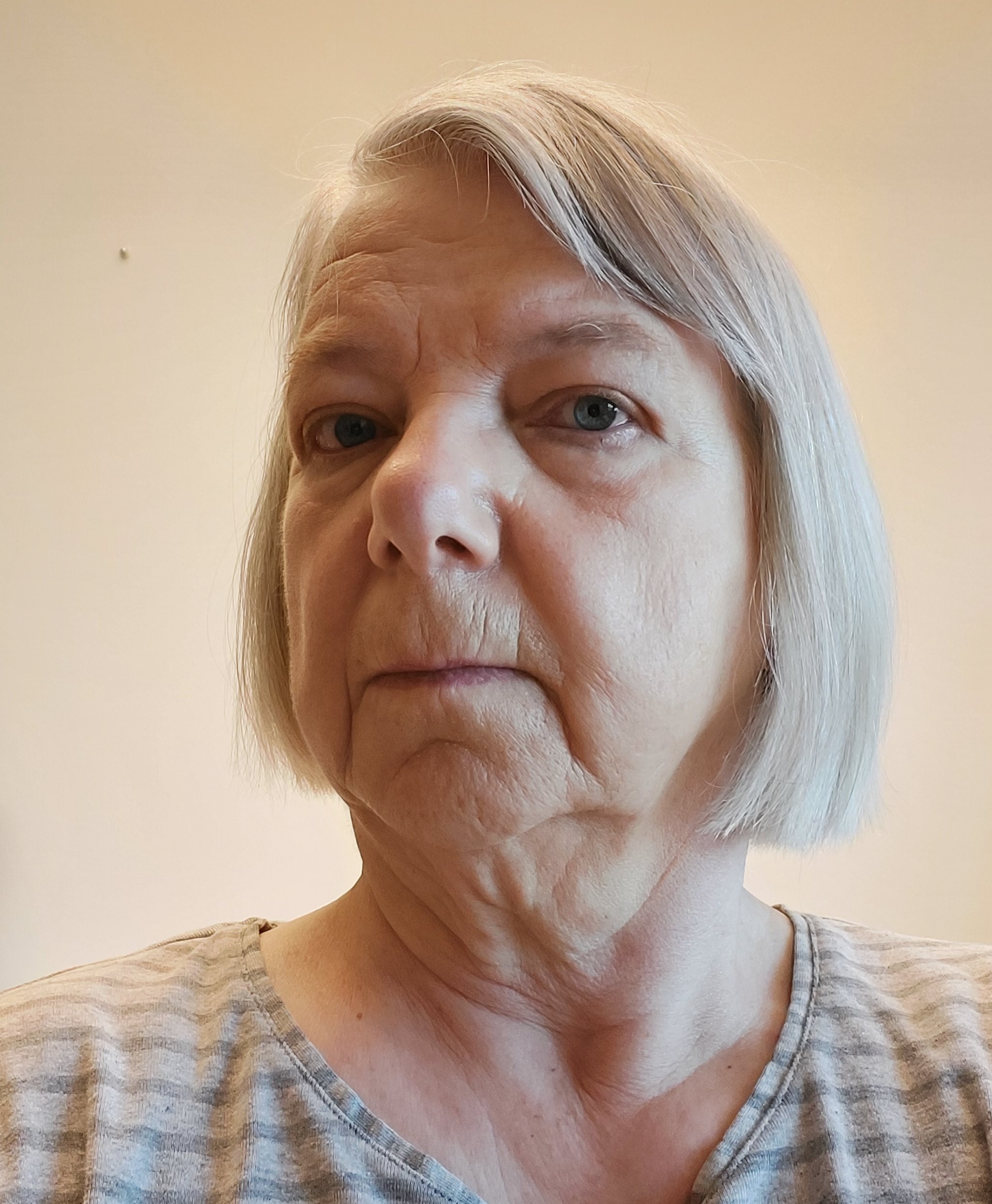 |
Marion
Seiersten
Chief
Scientist, Institute for Energy Technology (IFE)
University of Oslo, Norway
Academic
profile:
Chief Scientist at IFE since 2015 and has since 2017 hold a
professor II position at the University of Stavanger.
Major professional contribution: Regeneration of glycol used
as hydrate inhibitor, internal corrosion of pipelines for oil and
gas, and on application of titanium alloys. Responsible for the
work on hydrate inhibitors at IFE.
Project experience: Project manager for numerous projects at
SI/SINTEF and IFE. Currently managing the Kjeller MEG Loop (KML)
projects which have been running since 2005. The projects are
organised as joint industry projects financed by the industry and
the Research Council of Norway (phase 1 and 2). The projects have
ca. 10 industrial sponsors, and the yearly budget has been in the
range 5-10 mill. NOK. The major operators and vendors of MEG
regenerations plants worldwide are partners in the project.
Other experiences: Supervisor for 3 PhD students and 2 post docs
within corrosion and crystal growth during the last 10 years.
Member of the programme board Petromaks and Petromaks 2 (Programme
for Optimal Management of Petroleum Resources within the Research
Council of Norway), 2011 to 2016. Member of the board of OG21
(Task Force for Norwegian technology strategy within oil and gas),
2008-2011. More
than 100 publication and presentations on CO2 corrosion,
glycol chemistry, application of titanium alloys, high temperature
corrosion and ceramics.
Keynote
Lecture
Title:
Top
of line corrosion in gas-condensate pipelines
Marion Seiersten,
Arne Dugstad, Jan Nossen and Olav Sendstad, Institute for Energy
Technology (IFE)
Abstract:
Low alloyed
carbon steel is the only viable construction material for long
pipelines transporting unprocessed gas-condensate. The aqueous
phase that condenses is highly corrosive because it contains
dissolved acid gases, i.e., CO2, H2S and organic acids like
acetic and formic acid. The high velocity gas also contains
droplets of water and condensate, and these will deposit if they
hit the steel surface. Ethylene glycol (MEG) injected to prevent
ice and hydrates must be considered when predicting the
composition and corrosivity of the aqueous phases in the
pipeline.
The
liquids gathering at the bottom of the pipe have a higher heat
capacity than the gas, and the temperature at the top of the pipe
will be slightly lower than at the bottom. As the produced fluids
cool during the transport from the hot wells to the process plant,
aqueous phase will condense to the cold pipe surface and more to
the top than to the bottom. The literature on Top-of-line
corrosion (ToLC) has grown steadily since the first reported case
in 1960. There are also several prediction models for ToLC.
This
review is an overview of the main factors that cause ToLC and how
these are modelled. Mass transfer from the aqueous phase at the
bottom to the top contribute to the condensation. Despite the low
MEG to water ratio in the gas due to the difference in vapour
pressure, the fraction of MEG in the condensing water may be
considerable. The concentration of MEG in the aqueous phase at the
top depends on the mass transfer from bottom. The same is the case
for organic acids. Liquid droplets entrained in the gas may
deposit top of line and contribute to the chemistry of the aqueous
phase. Models for ToLC must thus predict the composition of the
condensing phases to be able to estimate the corrosion rate.
|
|
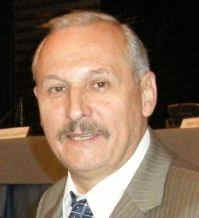
Professor Anatoly B. Zolotukhin
Gubkin
Russian State University (NRU) of Oil and Gas, Moscow, Russia
Northern Arctic Federal University, Arkhangelsk, Russia
University of Stavanger, Stavanger, Norway
Academic
Profile:
https://scholar.google.no/citations?user=LaX7PAEAAAAJ&hl=en
Keynote Lecture
Title: New
trends in technologies of the development of the resources in
the Arctic and High North
Abstract:
Public
opinion is slowly but steadily leaning towards replacing
hydrocarbons with alternative energy sources. This is causing
quite exciting processes in the oil and gas sector of the
economy itself. Some companies consider oil and gas to be
outdated and are therefore reformatting their assets. Others
believe that hydrocarbons will play a vital role in the energy
sector for a long time to come, and therefore it is too early to
write them off.
In
the oil spill combat, border countries should have the same
qualification, experience in working together. Such areas are
everywhere where companies are working together. The next and
probably, the most important point – the High North and the
Arctic.
The
most intensive technology development occurs in the field of
solving problems of optimizing projects for the development of
oil and gas fields, assessing the technical accessibility of
territories and water areas and assessing the environmental
consequences of the development of new territories and water
areas, searching for new and optimizing existing drainage
systems, creating new technologies for oil and gas production,
methods and drilling techniques, multiphase fluid flow, pipeline
diagnostics, etc.
Despite
the adverse reaction of environmentalists to the exploration of
oil and gas in the pristine regions of the Arctic, the companies
continue to search for hydrocarbon resources beyond the Arctic
Circle. Approaches of different countries and companies to the
High North and Arctic resources development and new technology
trends will be discussed in the Lecture.
|
|
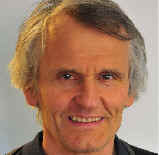
Professor
Jørgen Amdahl
Dept.
of Marine Technology, Norwegian
University of Science and Technology (NTNU),
Center for Autonomous Marine Operation and Systems (AMOS)
Academic
Profile: https://www.ntnu.edu/employees/jorgen.amdahl
Keynote
Lecture
Title: Assessment
of structures subjected to abnormal water slamming events
Abstract:
Marine
structures are often exposed to the risk of violent water
impacts (slamming) where the incident waves are steep and
energetic. Examples are bow flare impacts of container vessels,
wet deck slamming of high speed vessels, green water on decks
and water impact on deck structures due to sea floor subsidence.
A tragic slamming incident occurred on the offshore drilling rig
COSL Innovator 2015 which resulted in one fatality.
Traditionally
extreme slamming are analyzed and designed for in the ultimate
limit state (ULS), where it is assumed that the structure
responds primarily in the elastic domain. The coupling
between the structural response and the hydrodynamic pressure
matters, and hydro-elastic analysis methods for extreme slamming
events have been well established. For very rare, viz.
abnormal slamming events, the structure may be pushed into the
large deflection range causing significant permanent
deformations. In these cases, it is necessary to resort to
plastic analysis of the structural response in the accidental
limit state (ALS), but the interaction with the hydrodynamic
pressures should still be maintained.
The
presentation outlines the main ideas behind hydro-plastic
analysis of stiffened plates subjected to abnormal slamming
events. An analytic approach is developed, and the resulting
nondimensional relationships may be used to design stiffened
plating. The analytic response predictions are compared with
results from nonlinear Arbritary Eulerian_Lagrangian (ALE)
simulations. The starting point is analysis of drop tests of a
single stiffener/plate against flat water at small impact
angles. This is followed up by a simplified approach to analysis
of a breaking wave impact, which also aims to determine the
“minimum length” of a breaking wave to produce the permanent
deformation. Finally, considerations of the response of complete
stiffened panels are presented
|
|
Dr.
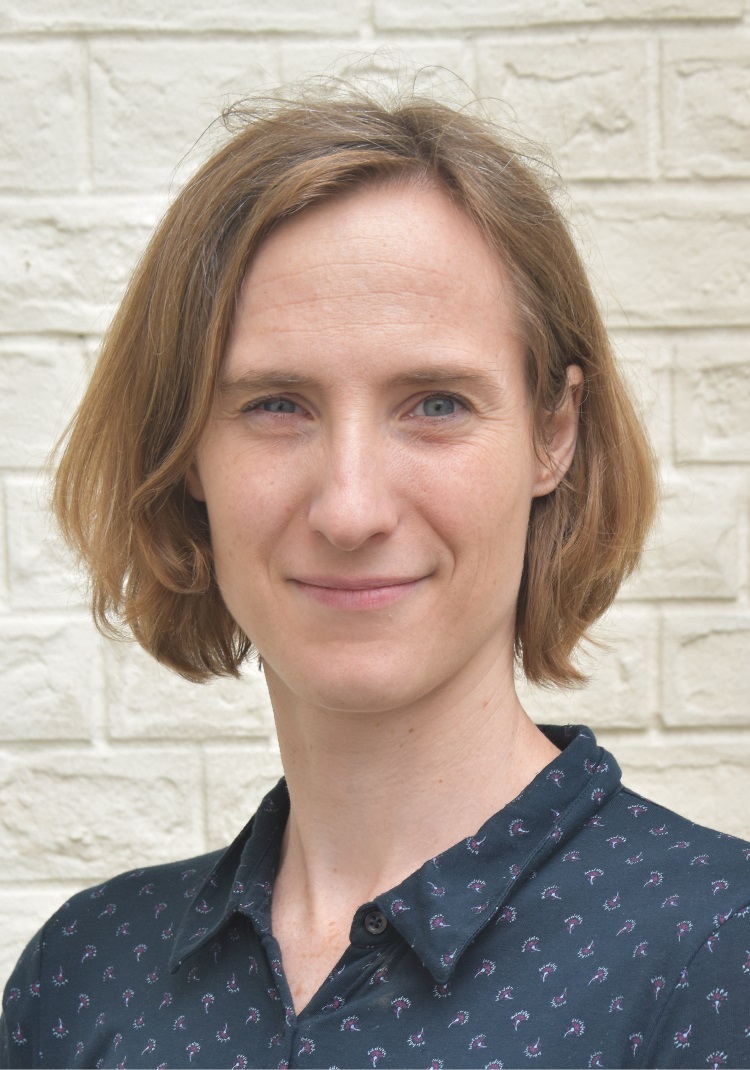
Sophia
Buckingham
von
Karman Institute (VKI) for Fluid Dynamics, Belgium
Academic
profile: Sophia
Buckingham received in 2007 her Engineering Diploma from ESTACA in
France, and continued with a Master Degree in Aeronautical
Engineering at the Istanbul Technical University in Turkey. In
2009, she joined the Research Master at the von Karman Institute
for Fluid Dynamics where she is currently Senior Research Engineer
in the Environmental and Applied Fluid Dynamics Department since
2012. She obtained her PhD working in collaboration with UCLouvain
on the investigation of Prandtl number effects in abruptly
separated flows, combining wind tunnel tests and LES simulations.
Her current areas of research include weather modeling, wind
resource assessment, CFD modelling of wind farms flows and scaled
wind tunnel testing of atmospheric boundary layer flows. She is
leading the research projects at VKI related to weather prediction
for the offshore wind energy sector, focusing on extreme weather
events within the wind farm leading to extreme loading, rain
erosion and lightning-driven damage of wind turbine blades
Keynote
Lecture
Title: Wind
engineering for Belgian offshore wind farms
Abstract:
VKI is involved in
research related to the effect of extreme weather events on the
operation and maintenance of the existing Belgian offshore wind
farms close to Oostende.
A long term measurement campaign aims to correlate weather to
wind turbine health monitoring.
The talk will reveal the importance of wind-wave misalignment
for storm forecasting by WRF, validated by Lidar and Radar
measurements and wind tunnel measurements that include a wave
basin.
|
|
|
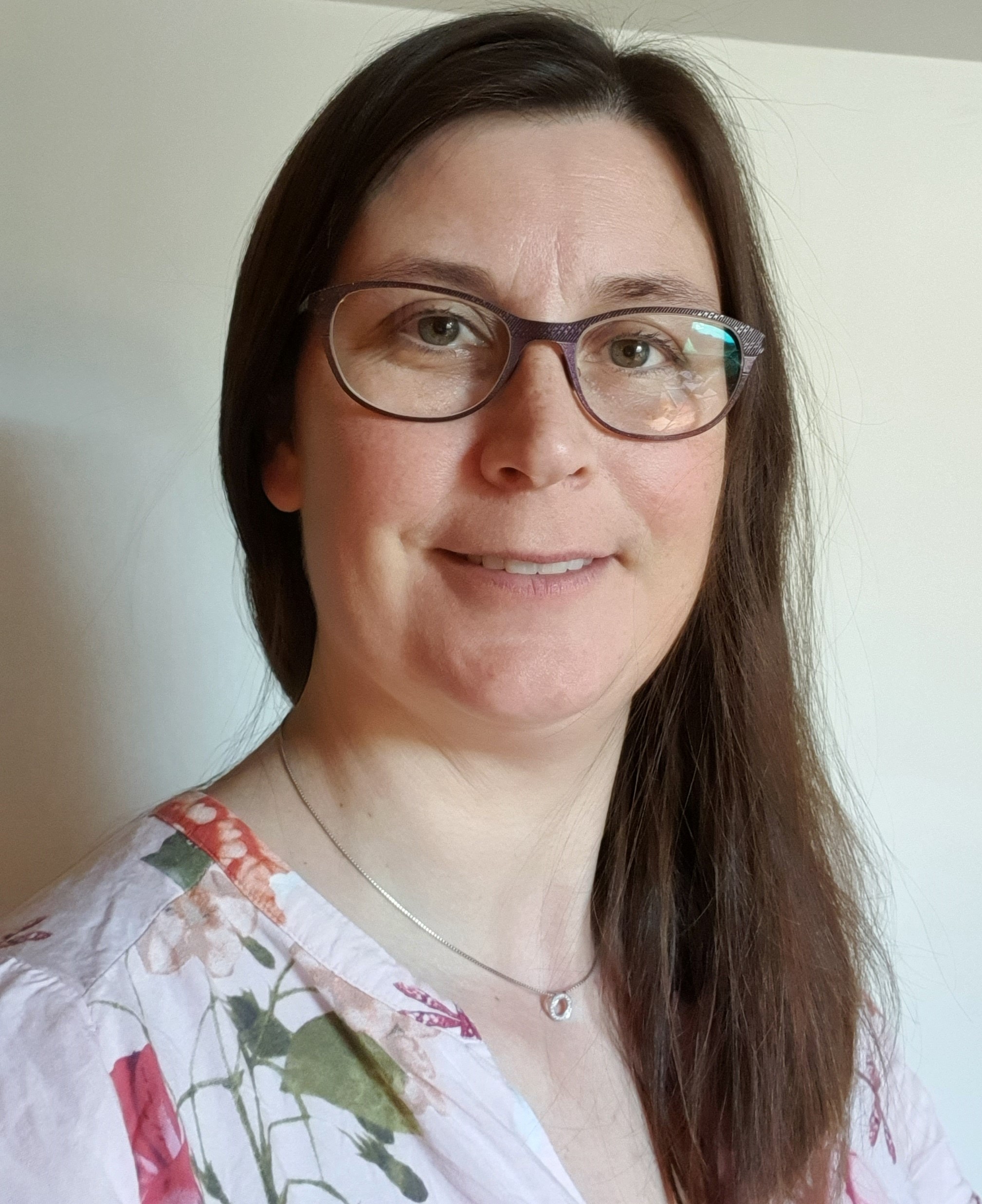
Bodil
Pedersen
Senior
surveyor, Department for Cargo Vessels and Mobile Offshore
Units,
Norwegian Maritime Authority
Academic
profile: Senior
adviser with work tasks including leader
of NMAs internal forum for polar shipping, took part in the
development of the polar code in IMO and in national group, Leads
work with interpretations of the polar code among arctic states in
PAME and Issuing polar code certificates to Norwegian flagged
vessels
Keynote
Lecture
Title:
The Norwegian Maritime Authority's involvement in development of
international Maritime Regulations with emphasis on Polar Regions
Abstract:
The Norwegian Maritime Authority (NMA) is heavily involved in the
development of international maritime regulations in the
International Maritime Organization (IMO). The adoption of the
mandatory Polar Code by IMO was an important milestone in ensuring
safe and sustainable shipping in the Arctic and Antarctic. Norway
chaired the work on the development of the Polar Code and the
develop of guidance on a methodology for determining limitations
for operation in ice in IMO. In addition, Norway together with
other member states of the IMO has taken a number of initiatives
to help ensure a global and consistent implementation of the Code. The paper will present
ongoing activities which at present are prioritized by NMA and
give status for the work.
|

|